Wedding florist Abbey Wood and Thamesmead venues
Posted on 20/09/2026
Planning a wedding in Abbey Wood or Thamesmead is exciting, but flowers can quickly go from "nice detail" to one of the most important parts of the day. The right Wedding florist Abbey Wood and Thamesmead venues pairing does more than make things look pretty. It helps your ceremony feel cohesive, supports the mood you want, and quietly ties every part of the day together from aisle to table. That matters whether you are marrying in a small local function room, a modern riverside space, or a more traditional venue nearby.
In this guide, we will look at how wedding floristry works locally, what to think about before you book, and how to choose flowers that suit your venue, budget, and style without overcomplicating the process. Truth be told, the best floral plans are usually the ones that feel calm and clear, not crowded with too many ideas.
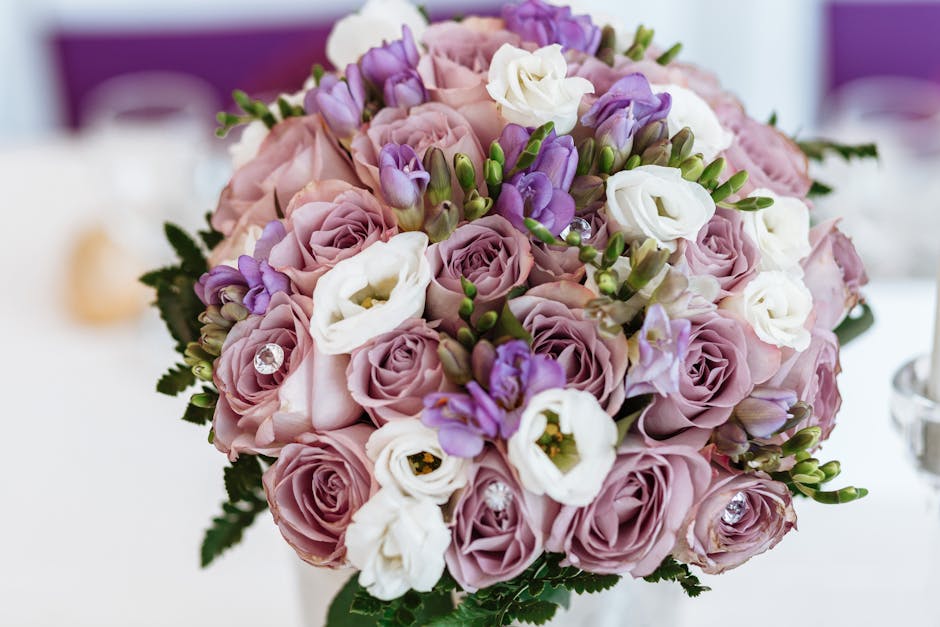
Why Wedding florist Abbey Wood and Thamesmead venues Matters
Venues in Abbey Wood and Thamesmead often have very different personalities, and flowers help bridge the gap between the building and the feeling you want to create. A blank hall, for example, can be transformed with the right colour palette and table arrangements. A brighter, contemporary venue may only need subtle styling to feel polished. That is the real job of a wedding florist: not simply filling space, but shaping atmosphere.
Local venue suitability matters too. Some spaces have narrow access routes, limited setup windows, or tables that need a specific arrangement style. Others may already have strong decor, so florals need to complement rather than compete. If you have ever walked into a room and immediately felt whether it was warm, elegant, relaxed, or a bit too busy, you already understand the difference flowers can make.
There is also a practical reason this topic matters. Wedding floristry is not just about the bouquet. It can include bridal bouquets, bridesmaid flowers, buttonholes, corsages, table centrepieces, ceremony arrangements, and reception styling. Using a florist who understands Abbey Wood and Thamesmead venues means these pieces are more likely to work together in real life, not just on a mood board.
Expert summary: The best wedding flowers are the ones that suit the venue first, then the outfit, then the season. If you reverse that order, things can still work, but it often takes more adjusting than necessary.
How Wedding florist Abbey Wood and Thamesmead venues Works
The process usually starts with your venue details, your date, and your general style. A florist will want to know whether you are planning a ceremony-only setup, a full-day wedding, or a reception with several decorated areas. They will also ask about your colour preferences, the season, and the kind of flowers you love or want to avoid.
From there, the florist typically builds a proposal around the key moments of the day. For a smaller wedding, that may mean a bridal bouquet, a couple of buttonholes, and a few table flowers. For a larger celebration, you might also include ceremony flowers, entrance pieces, centrepieces, and coordinating bridal party flowers. Some couples like a full wedding collection that keeps the look consistent across every item.
For weddings in this part of London, timing is especially important. Local deliveries, venue access, and setup order can all affect the final result. If flowers are arriving before the venue is ready, they may need safe holding space. If access is tight, the florist needs to know in advance so they can plan a setup that is realistic, not optimistic. Let's face it, a flower arch is lovely, but not if it blocks the staff from getting the chairs in.
Many couples also use a florist for seasonal alternatives. A summer wedding might lean into soft roses, lisianthus, and airy greenery. A winter wedding may feel richer with deeper tones and more structured arrangements. That flexibility is one of the reasons local wedding floristry works so well: the designs can be tailored to the day, not forced into a one-size-fits-all package.
Key Benefits and Practical Advantages
There is a lot to be said for working with a florist who understands weddings specifically. Not all flowers are chosen for the same purpose, and wedding floristry has its own rhythm. Here are the advantages that matter most.
- Venue-aware styling: Flowers can be scaled to suit the room instead of overwhelming it.
- Better colour coordination: Your bouquet, table pieces, and ceremony flowers can all feel connected.
- Smoother logistics: A florist who knows the area can plan delivery and setup more sensibly.
- Less decision fatigue: A good floral plan narrows choices without making you feel boxed in.
- Stronger photos: Flowers frame faces, soften backgrounds, and help the venue look intentional in pictures.
- Flexibility with budget: You can prioritise the moments that matter most, rather than decorating everything equally.
Another benefit people sometimes overlook is emotional. Flowers can calm a room. A well-placed bridal bouquet or table centrepiece can make the whole day feel more finished, even before guests sit down. Small thing, big impact.
Who This Is For and When It Makes Sense
This guide is for couples who want their wedding flowers to feel personal, local, and practical. It is especially useful if you are:
- booking a venue in Abbey Wood or Thamesmead and want flowers that suit the space
- trying to balance style with budget
- planning a small, intimate wedding and want a polished look without over-ordering
- organising a larger venue and need multiple floral elements to stay consistent
- unsure whether to choose classic bridal flowers, modern designs, or something seasonal
It also makes sense if you are the "I know what I like, but I cannot explain it well" type. Honestly, that is very common. A florist can work from a few clues: the dress, the venue photos, a saved colour palette, or even a single image that captures the tone.
If your venue already has a lot going on visually, you may need more restrained florals. If the room is plain or functional, you may need flowers to do more of the heavy lifting. That decision is where good floristry earns its keep.
Step-by-Step Guidance
Here is a practical way to approach wedding flowers without getting tangled in too many options.
- Start with the venue. Gather photos, ceremony layout details, and any notes about access or timing.
- Decide your priority areas. Most couples choose the bouquet first, then ceremony and tables, then smaller items like buttonholes and corsages.
- Set your visual direction. Think classic, romantic, modern, minimal, seasonal, or bold. One clear direction is enough.
- Choose a colour story. This does not need to be exact. Soft whites, blush tones, purples, reds, and mixed colours all work differently in different spaces.
- Match flowers to the mood. Roses give a timeless feel, lilies can feel elegant, carnations can be surprisingly versatile, and mixed blooms can feel more relaxed and organic.
- Plan around your budget. Put your money where the impact will be seen most, usually the bouquet, ceremony focal point, and reception tables.
- Confirm logistics early. Delivery windows, setup access, and venue rules should be clear well before the day.
- Review the final plan with fresh eyes. If the arrangement list feels too busy, trim it. If it feels a bit sparse, add one statement piece rather than lots of small extras.
A simple rule helps here: choose a few excellent floral moments instead of many average ones. That is usually the smarter move.
Expert Tips for Better Results
In our experience, the best wedding flower plans are usually built with a bit of restraint. Not because less is always more, but because weddings already contain a lot of detail. Flowers should support the day, not fight for attention.
1. Bring venue photos, not just inspiration images
Inspirational images are useful, but they can be misleading if the venue shape, ceiling height, or table layout is completely different. A florist can do more with actual venue photos. That one practical step often saves a lot of back-and-forth later.
2. Think in zones
Instead of asking, "What flowers do we need?", ask, "Where do guests actually look?" Those zones are usually the entrance, aisle or ceremony focal point, top table, guest tables, and the bouquet in the hands of the bride. That way, you are designing for real sightlines.
3. Choose flowers that fit the season and the tone
Seasonal choices often feel fresher and more natural. They also tend to sit more comfortably in the overall budget. If you want a romantic look, for example, roses and lisianthus can be a strong pairing. If you want something more contemporary, a florist might suggest cleaner forms with structured greenery.
4. Don't forget the small pieces
Buttonholes, bridesmaid bouquets, and corsages sound like minor details. Then the photos arrive, and suddenly those little pieces matter quite a lot. One buttonhole can visually tie the groom, best man, and family members into the same story.
5. Keep the venue's practical limits in mind
Some venues are relaxed; others have tight turnaround times and specific setup rules. If a florist knows where the loading point is, what time they can access the room, and whether any items must be removed after the ceremony, the day runs more smoothly. Simple, but essential.
And yes, it is always worth asking what happens if your bouquet needs a last-minute adjustment. Weddings do not always behave perfectly. Flowers included.
Common Mistakes to Avoid
Wedding flower mistakes are rarely dramatic. More often they are the result of small assumptions that add up. Here are the big ones to watch.
- Choosing flowers before understanding the venue: A design can be beautiful and still be wrong for the room.
- Trying to include every idea: Too many styles, colours, or flower types can make the final look feel scattered.
- Ignoring delivery and setup timing: Even the best design can stumble if the schedule is unrealistic.
- Overusing very large arrangements: Big flowers are dramatic, but they can block conversation or dominate smaller tables.
- Leaving no room for seasonal flexibility: If one flower is unavailable or impractical, a good florist needs options.
- Forgetting about transport: Bouquets and buttonholes need to travel safely, especially during warm weather or busy days.
One of the more common mistakes is comparing your wedding to someone else's Pinterest board without checking whether their venue, budget, or season was the same. A fair amount of stress comes from comparison, not flowers. A shame, really.
Tools, Resources and Recommendations
You do not need specialist design software to plan wedding flowers well. A few simple tools usually do the job.
- A mood board: Use a folder of images showing colour, shape, and style, not just random bouquets.
- Venue photos: Take shots of the ceremony room, dining space, entrances, and table layout if you can.
- Guest list and table plan: This helps estimate how many arrangements and smaller floral pieces you may need.
- Outfit photos: Dress, suit, or fabric swatches make colour matching much easier.
- Seasonal flower preferences: If you love peonies, for example, the florist can help you understand whether your date and budget suit them, or whether a similar alternative is better.
If you are browsing product options, the wedding-specific ranges are especially useful. For bridal flowers, take a look at bridal bouquet designs, and for the rest of the party, the bridesmaid bouquet collection and buttonhole selection can help you build a complete look. If your reception needs table styling, the wedding table arrangements page is a handy place to compare options.
For couples who want a fuller wedding style in one place, the broader weddings collection can be useful for seeing how the pieces sit together. That saves time, which in wedding planning is worth its weight in gold, honestly.
Law, Compliance, Standards, or Best Practice
For wedding floristry, the main compliance concerns are practical rather than legal drama. The key points usually involve safe delivery, clear product descriptions, fair trading, and respecting venue rules.
From a best-practice point of view, couples should confirm the final order in writing, understand what is included, and know the delivery or substitution policy. That matters if a flower is out of season or if a venue changes access times. Clear communication protects both sides.
Venues may also have their own rules about setup, candles, adhesives, floor protection, or items that must be collected after the event. A florist who works regularly with local venues will usually ask about these things early. If they do not, it is worth bringing it up yourself. No need to be formal about it, just be clear.
Where flowers are being transported, particularly in warm weather, best practice is to use suitable packaging and secure placement so arrangements do not shift or bruise. It sounds obvious, but a bouquet can go from perfect to slightly slumped if it is thrown in the wrong spot on the journey.
For product and order issues, the website's delivery information, returns and refund policy, and terms and conditions are the places to check before placing anything important. If you want a better sense of the business itself, the about us page and guarantees page can also help build confidence.
Options, Methods, or Comparison Table
Different wedding flower approaches suit different couples. This table gives a practical comparison so you can narrow things down without overthinking it.
| Approach | Best for | Strengths | Watch-outs |
|---|---|---|---|
| Simple bridal focus | Small weddings or modest budgets | Elegant, controlled, easy to manage | Can feel too minimal if the venue is large |
| Balanced full-day styling | Most traditional weddings | Covers bouquet, ceremony, tables, and party flowers | Needs careful planning to avoid overspending |
| Statement venue design | Rooms that need visual impact | Strong photo presence, memorable entrance or focal point | Can dominate a smaller venue if not scaled correctly |
| Seasonal mixed-flower style | Couples who want a natural, soft look | Flexible, often cost-aware, feels fresh | Needs trust in the florist's flower selection |
If you are unsure which route to take, start with your venue and your photos, then work back from there. That is usually the simplest way to avoid a mismatch.
Case Study or Real-World Example
Here is a realistic example based on the kind of wedding planning many local couples go through.
A couple booking a Thamesmead venue wanted something romantic but not overly formal. The room was bright and open, with clean lines and fairly plain table settings. They first considered very large centrepieces, but after discussing the space, they shifted to a softer plan: a classic bridal bouquet, understated bridesmaid flowers, matching buttonholes, and a few table arrangements that gave colour without blocking conversation.
The result was better than the original idea, not because it was bigger, but because it fit the venue. Guests noticed the flowers, but the room still felt easy to move through. The photos looked coherent too, because the floral colours echoed the bouquet and the ceremony styling without shouting for attention. That kind of balance is the sweet spot.
What made it work? Three things: clear venue photos, a simple colour direction, and enough flexibility to adjust the final flower mix. Nothing fancy. Just good planning and a florist who knew how to make the details behave on the day.
That is often the difference between a nice wedding and one that feels quietly polished. Not loud. Just right.
Practical Checklist
Use this checklist before you finalise your wedding florist plans for Abbey Wood or Thamesmead.
- Venue confirmed: You know the exact location and ceremony/reception layout.
- Date set: The florist can check availability early.
- Style direction chosen: Classic, modern, romantic, seasonal, or minimal.
- Colour palette agreed: Even if it is broad rather than exact.
- Priority items listed: Bouquet, bridesmaid flowers, buttonholes, ceremony flowers, tables, and extras.
- Budget range understood: So the plan stays realistic.
- Venue access details collected: Delivery times, loading access, and any restrictions.
- Flower preferences noted: Any flowers to avoid, favourite blooms, or scent sensitivities.
- Final order reviewed: Check quantities, names, and delivery details carefully.
- Backup contact available: Helpful if there is a last-minute question on the day.
If you can tick most of those off, you are in good shape. Really good shape, actually.
Conclusion
Choosing a Wedding florist Abbey Wood and Thamesmead venues setup is about more than ordering flowers. It is about making sure your styling fits the venue, supports the atmosphere, and makes your day feel like yours. When the flowers are planned well, everything else tends to feel a bit easier too. The room looks considered, the photos feel softer, and the whole event has a calmer rhythm.
Keep the venue in mind first, then the mood, then the flowers themselves. That order works. It keeps the process grounded and helps you avoid unnecessary stress. And if you only remember one thing from this article, make it this: the best wedding flowers are the ones that look effortless because the planning behind them was anything but.
Get a free quote today and see how much you can save.
When the day finally arrives and you walk into the room, you want that small moment of quiet delight. The flowers are there, the space feels right, and everything just fits. That feeling is worth planning for.
Frequently Asked Questions
What does a wedding florist in Abbey Wood and Thamesmead usually provide?
A wedding florist typically provides bridal bouquets, bridesmaid bouquets, buttonholes, corsages, ceremony flowers, table arrangements, and sometimes larger venue styling. The exact package depends on your wedding size and the look you want.
How far in advance should I book wedding flowers?
It is sensible to book as early as you can, especially for popular dates. Many couples start the conversation once the venue and date are confirmed so the florist can reserve space and plan properly.
Can I get a custom flower design for my venue?
Yes. Most wedding florists can tailor arrangements to your venue, colours, and style. A custom plan is especially useful if your venue has unusual shapes, limited space, or a very specific mood.
What flowers work well for local wedding venues?
Roses, lisianthus, lilies, carnations, chrysanthemums, alstroemeria, and mixed seasonal flowers are all commonly used because they can be styled in different ways. The best choice depends on the season, your budget, and the venue's look.
Do I need flowers for both the ceremony and reception?
Not necessarily. Some couples only style the bouquet and one or two focal areas. Others want flowers for both spaces so the day feels cohesive. It really depends on your priorities and the size of the venue.
How do I choose colours for my wedding flowers?
Start with your dress, venue decor, and the overall mood of the day. Soft neutrals create a classic feel, deeper colours feel richer, and mixed tones can make the styling feel more relaxed and lively.
What if my chosen flowers are unavailable?
A good florist should suggest suitable alternatives that keep the same style and colour balance. That is normal, especially with seasonal flowers, and it is usually a straightforward adjustment rather than a problem.
Are wedding flowers expensive?
They can be, but the total cost depends on how many items you order and how elaborate the designs are. A focused plan with the most important pieces first is often the best way to stay within budget.
Can the florist deliver directly to my Abbey Wood or Thamesmead venue?
In many cases, yes, but delivery arrangements should be confirmed in advance. The florist will need the venue address, setup times, and any access details so everything arrives at the right time.
What should I bring to my florist consultation?
Bring venue photos, your date, a rough budget, your colour ideas, and any outfit images or fabric samples you have. Even a few clear notes can make the planning process much easier.
How can I make my flowers look better in photos?
Choose arrangements that suit the size of the venue and the style of your outfits. Flowers that echo your palette and do not overcrowd the space tend to photograph well without effort.
Is it worth choosing wedding-specific products instead of general flower arrangements?
Yes, if you want the designs to work together more naturally. Wedding-specific bouquets, buttonholes, and table pieces are usually created with the event flow in mind, which helps the whole day feel more coordinated.